Impact of the USA/Iran War on Nigeria's Real Estate

Chidubem Nwaonicha-Emegha . 2 months ago
construction
Iran/USA War
Nigeria Real Estate
oil prices

Share this post
Subscribe to our newsletter
Article Summary: Nigeria's construction sector, real estate activities, and economic outlook are impacted by the US/Iran conflict. Rising oil prices cause inflation, increasing energy and construction costs. This leads to higher freight costs, insurance premiums, and reduced profit margins for developers, affecting project timelines and completion schedules. Higher oil revenues may stimulate demand for property assets, but borrowing is expected to increase due to rising debt servicing costs.
The U.S./Iran conflict escalated in February 2026 when U.S.-Israeli airstrikes hit Iranian military leaders and nuclear sites. In response, Iran closed the Strait of Hormuz, triggering a major global oil crisis that exposed Nigeria to a mix of macroeconomic challenges and opportunities, raising risks and uncertainty across Nigerian oil-linked sectors, particularly real estate and construction.
In this article, Estate Intel examines the impact of the ongoing crisis on Nigeria’s construction sector, real estate activities and the nation’s economic outlook for the year. In doing this, Estate Intel consulted experienced professionals from various industries to share insights.
Impact of the USA/ Iran War on Nigeria’s Real Estate
Rising oil prices are increasing energy and construction costs, causing inflation.
Fuel pump prices in Nigeria rose sharply from ₦840 per litre in February 2026 to over ₦1,200 per litre in March 2026, marking an increase of over 30% in a single month. As a result, recent data from the Nigerian Midstream and Downstream Petroleum Regulatory Authority shows that petrol consumption declined from 56.9 million litres per day in February to 47.3 million litres per day in March. Since the war began, diesel prices have also risen from ₦1,300 in January to over ₦1,700 in April 2026, increasing transport costs for raw materials and passing additional costs to developers and end-users. Higher diesel costs will also reduce developer profit margins and increase property sales prices.
In an interview with Estate Intel, the CEO of Cutstruct, John Oamen, noted that “tensions around the Strait of Hormuz have had a limited direct impact on Nigeria’s construction supply chain so far, but are increasing indirect risk exposure. While most Nigeria-bound shipments do not rely exclusively on Hormuz routes, instability in the corridor is already feeding into higher freight costs and rising insurance premiums, particularly through war-risk surcharges. The market is also experiencing minor shipment delays as global carriers adopt more cautious routing strategies. Although these disruptions have not yet materially constrained supply, they are increasing volatility in logistics costs and delivery timelines, ultimately driving up project costs and extending completion schedules across the real estate sector.”
The same goes for service charges allotted to offices and multi-tenanted residences in prime areas, which will increase as maintenance and operational costs rise. Companies may cut costs as expenses rise and adopt a hybrid work model to benefit their staff while reducing operational costs.
Rising oil prices boost oil companies’ revenues, which may lead to an increase in their real estate portfolio in the long term
From a financial performance standpoint, stakeholders across the oil and gas value chain are approaching the price increase with caution rather than treating it as a sustained windfall. The key concerns are the uncertainty around the duration of the disruption, the potential reconfiguration of trade routes, and suppliers’ ability to maintain elevated prices over time.
However, if elevated prices persist, oil companies tend to generate higher revenues and typically channel a portion of these gains into real estate investments, including office expansions, staff housing, and luxury residential developments. Historical evidence from Nigeria’s 1970s oil boom shows that sustained increases in oil revenues triggered significant expansion in real estate development, including housing estates, office infrastructure, and urban projects. Therefore, extra cash flow generated from the current oil price surge is likely to stimulate demand for property and real estate assets in Nigeria.
Another key outcome of this increase in revenue is that, in the long term, there will be an investment shift in which oil companies diversify their import sources and expand storage capacity, requiring more storage tank farms and increasing their industrial asset portfolios.
Higher oil prices may improve Nigeria’s revenue outlook for 2026
According to NESG, a short-term oil crisis could add ₦2.3 trillion in revenue under a brief shock scenario to as high as ₦30 trillion if the conflict is prolonged. When global oil prices rise above Nigeria’s budget benchmark, the government earns more revenue from oil sales.
In an interview with Taiye Owonumi, Chief Investment Officer, at AXA Mansard, he emphasised that, “the impact on the economy has been mixed but net-positive for Nigeria. The positive is that the closure of Hormuz, which resulted in higher oil prices, benefited Nigeria’s status as an oil exporter; higher prices translate directly into above-budget FAAC revenues and FX inflows. The negative impact: oil supply disruption increased PMS prices (+50%). That increase reversed Nigeria’s disinflation trend: Nigeria’s inflation rate rose to 15.38% in March 2026, up from 15.06% in February, the first increase in headline inflation since March 2025.”
Although recent reports indicate that Nigeria has revised its borrowing target to ₦29.20 trillion, an increase of ₦11.31 trillion from the initial proposal submitted in December 2025, this raises an important question: why is the government increasing borrowing at a time when oil-driven revenues are improving?
To address this, Estate Intel asked Taiye for his perspective. He explained that “even though revenue is going up, spending/expenditure is going up faster, and a huge share of every naira earned immediately goes to service old debt. In 2026, Nigeria plans to spend roughly ₦15.52 trillion servicing its debt obligations, nearly half of its projected revenue. So basically, debt servicing and a widening fiscal gap are two key reasons why, despite rising revenues, borrowing is still likely to increase.”
Conclusion
Oil-importing economies face cost pressures while oil-exporting countries like Nigeria see mixed effects, with revenue gains neutralised by inflation risks. Due to the impact of the oil crisis, the World Bank advised Nigeria to adopt strict fiscal discipline, save windfall gains from the increased oil revenue, maintain tight monetary policy, and avoid the return of subsidies.
We love your feedback! Let us know what you think about the current oil crisis and its effects on Nigeria’s real estate market by emailing [email protected].
If you have research requirements or are considering investing in Nigeria’s property market, contact our Capital Advisors team at [email protected].
Related News
You will find these interesting

Dapo Runsewe . February 2025
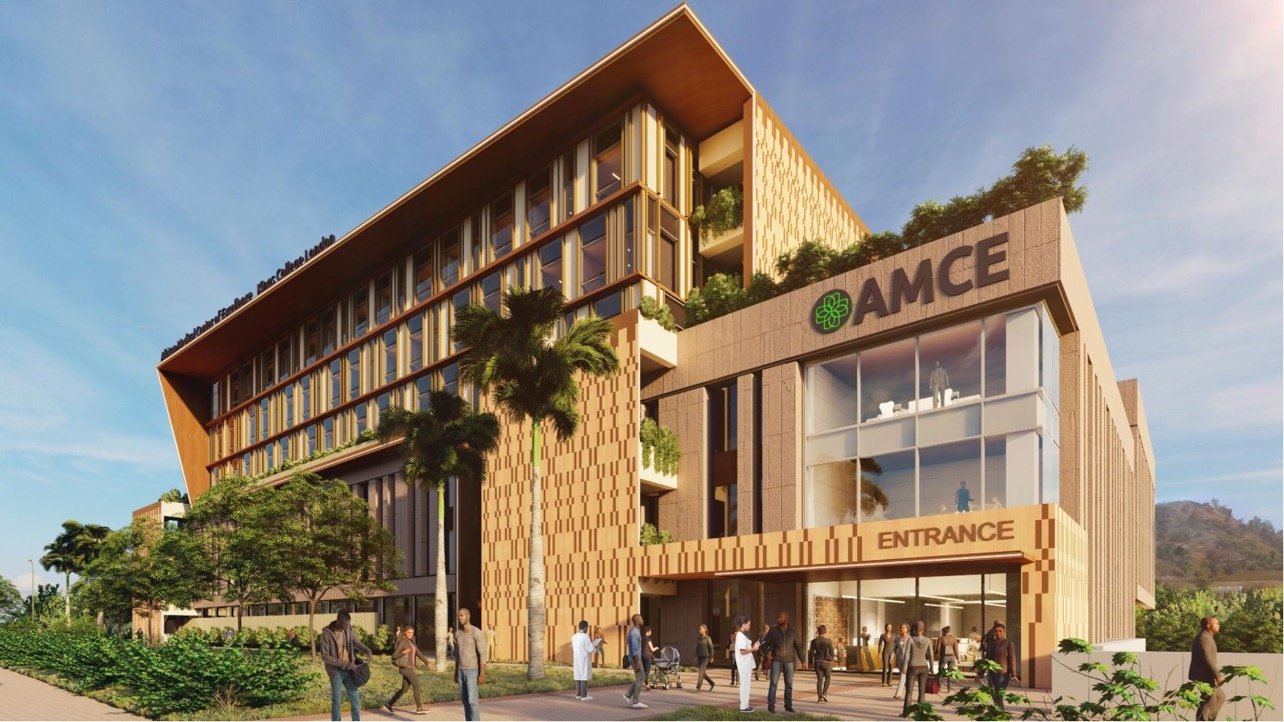
The African Medical Centre of Excellence (AMCE), Abuja – Federal Capital Territory
abuja
africa


Bisi Adedun . September 2024
The Lagos hospitality sector continues to outperform market expectations
The Lagos hospitality industry continues to exhibit healthy performance in terms of RevPAR and Average Daily Rates drive...
2024 lagos real estate report
black diamond hotel


Linah A. . August 2023
Here Are The Real Estate And Related Sector Ministers Appointed By Nigeria’s President Bola Tinubu
President Bola Tinubu’s list of ministerial appointees in Nigeria is out! Here are the real estate and related sector mi...
Nigeria ministers
Nigeria Real Estate